


Talk to an Expert (813) 603-2262
Talk to an Expert (813) 603-2262

Schedule roof ventilation when any of the following symptoms arise: excess moisture accumulation in the attic, differing temperatures inside, or high energy bills. When you consider how proper ventilation affects the longevity of your roof and energy costs for your house, you realize how urgently roof ventilation should be scheduled.
If left unaddressed, these problems could lead to mold or further structural damage. Routine checkups catch issues with ventilation in their infancy, thus preserving your roof for another day. Please feel free to contact us at Big Florida Roofing for better roof ventilation.

Whether residential or commercial, roof ventilation may be classified as an important aspect aimed at prolonging the lifespan and performance of any roofing system. Knowledge about scheduling necessary inspections could save you from expensive repairs and structural damage many years down the line.
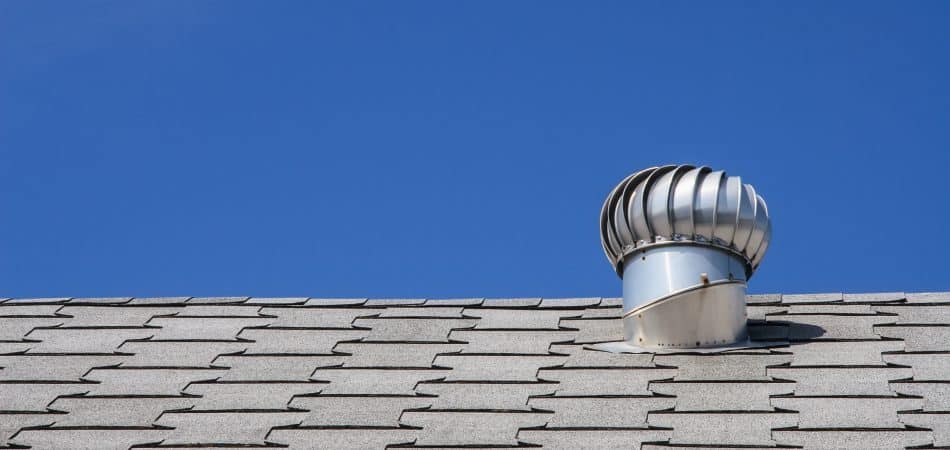
Energy bills that seem too high are the first sign of roof ventilation problems. Stagnant, warm air, unable to exit through poor ventilation, just weighs down the HVAC units. Look for blocked ventilation and damaged insulation. Upgrading your roof ventilation to modern types of venting, like ridge vents, may help keep the indoor environment comfortable and reduce energy costs.
All signs of condensation and an attic with water stains often herald the presence of ventilation problems. A stagnant atmosphere in the attic holds moisture and promotes mold growth while compromising structural elements. Ensure that the intake and exhaust vents are cleared and function well. Good ventilation, together with proper insulation, works wonders against moisture.
More or less the same applies to roofing materials like shingles-they could get a faster aging process without proper ventilation. Signs to check for include curling, cracking, or blistering. Continuous inspections ensure that ventilation systems cater to heat and moisture damage, thus extending the roof’s lifespan and reducing repair costs.
Storms clog or damage vents and cause leaks or ice dams. Schedule an inspection right after any severe weather to clear away debris, check ventilation effectiveness, and repair any new damage before it develops larger issues.
If you’re undertaking a major renovation or roof replacement, it’s time to inspect your ventilation system. So that it’s compatible with new materials and allows for easy upgrades to energy-efficient options. Be sure to check local building codes for compliance on these projects.
Despite the fact that roof ventilation is often overlooked until it causes issues, its impact on a safe, durable, and efficient home is vital. Under-ventilation is a cause of cascading structural, health, and economic problems that many homeowners and property managers overlook.
Avoiding rot begins with ventilation. Letting the air flow regularly, you minimize moisture accumulation, a primary culprit in the rot of wooden rafters and beams. In colder climates, ice dams lead to water seepage under shingles and into the structure if there aren’t sufficient intake and exhaust vents.
Bad ventilation is surprisingly bad for indoor air quality. Stagnant air and high humidity are mold and mildew’s dream come true. Mold spores don’t stay in the attic — they can contribute to respiratory issues, particularly in allergy and asthma sufferers. High humidity promotes dust mites and other allergens, compounding the poor air quality.
With little ventilation, stale smells can accumulate, leaving homes unpleasant. Ventilation promotes good air circulation, maintaining proper moisture levels and a healthier home.

Distinct weather poses distinct challenges, dictating when and how venting should be reviewed. We highlight general tips below for different climates to aid homeowners and property managers in timing their maintenance.
Hot temperatures in the attic tend to cause increases in the AC load in hot summers and lots of energy bills. Ventilation is the main consideration to allow hot air to escape from the house.
Inspect shingles regularly to ensure that they don’t have cracks or discoloration, leading to faster wear. Clear vents from debris to prevent moisture issues in a house where the weather is always dry.
Roofers in hot areas usually change their schedule of working early or late to avoid working during extreme heat.
In the winter, ice dams and condensation due to poor ventilation and uneven temperatures in the attic may arise. These are the items that should be attended to in early inspections. Insulation and putting vents in the right place are vital to prevent heat and moisture buildup in the house. A balanced attic reduces the risks of freeze-thaw damage.
Winter inspections can be the most difficult of the year, especially as brittle materials like asphalt shingles may not be inclined to shape at all, so hiring the best roofers is crucial.
Mixed type of climates requires an adaptive ventilation system that can cope with the sultry heat of summer and dry chilliness of winter. It requires frequent checks to avoid blockages from material debris dislodged by seasonal changes like leaves and snow. Ideal inspection periods are late spring and early autumn, allowing exhaustive evaluations while minimizing safety risks.
Proper roof ventilation can be largely preventative of its design over time. Failing roof ventilation can lead to higher energy bills due to moisture-laden air, which will also damage the structure. Look out for warning signs such as high attic temperatures, excessive humidity, and areas that sag. They save money and avoid a lot of headaches in the future.
If you have any doubts, please consult with our experts at Big Florida Roofing for advice or an evaluation. A little maintenance today can prevent significant issues tomorrow. Call us now to schedule your inspection, and let’s make sure your roof is working the way it should. We’re here to help keep your home safe, comfortable, and energy-efficient.
 By Admin
  Sep 6, 2025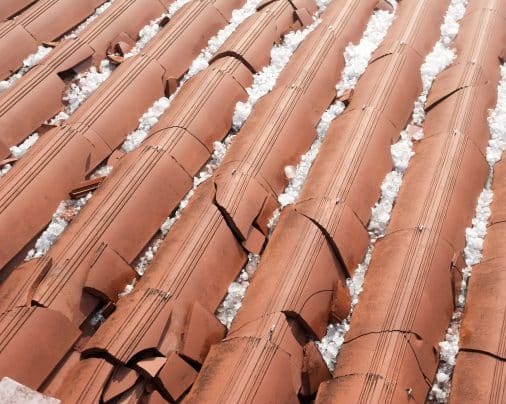
 0 Comment


